
India is on the verge of producing its first true global MMA superstar, an athlete who can command arenas in Las Vegas, Abu Dhabi, Paris, and Dublin while carrying the hopes of more than a billion people. The country has the talent, the cultural depth, the demographics, and the hunger.
For years, the Indian MMA ecosystem has relied on shortcuts, padded records, curated matchups, early transitions into the professional ranks, and an overdependence on hype instead of hard testing. These patterns have created a ceiling that Indian fighters repeatedly hit when facing well-rounded, battle-proven opponents abroad. The gap has never been about courage. Indian fighters have heart in abundance. The gap lies in preparation, structure, and authenticity.
A genuine grassroots rebuild aligned with IMMAF standards is essential. Every MMA nation that consistently produces elite athletes, including Kazakhstan, Georgia, South Africa, Mexico, Ireland, and Bahrain, develops fighters who spend years competing at the amateur level internationally before turning professional. IMMAF tournaments expose athletes to diverse styles, unpredictable opponents, and the psychological pressure of global competition. This experience builds resilience, reveals weaknesses early, and teaches fighters how to adapt in real time.
However, technical ability alone does not create global icons. Stars emerge when they connect emotionally, culturally, and nationally. India is finally witnessing a shift in this direction, driven by a new generation of athletes who succeed not through Western imitation, but through authenticity that resonates powerfully with Indian audiences.
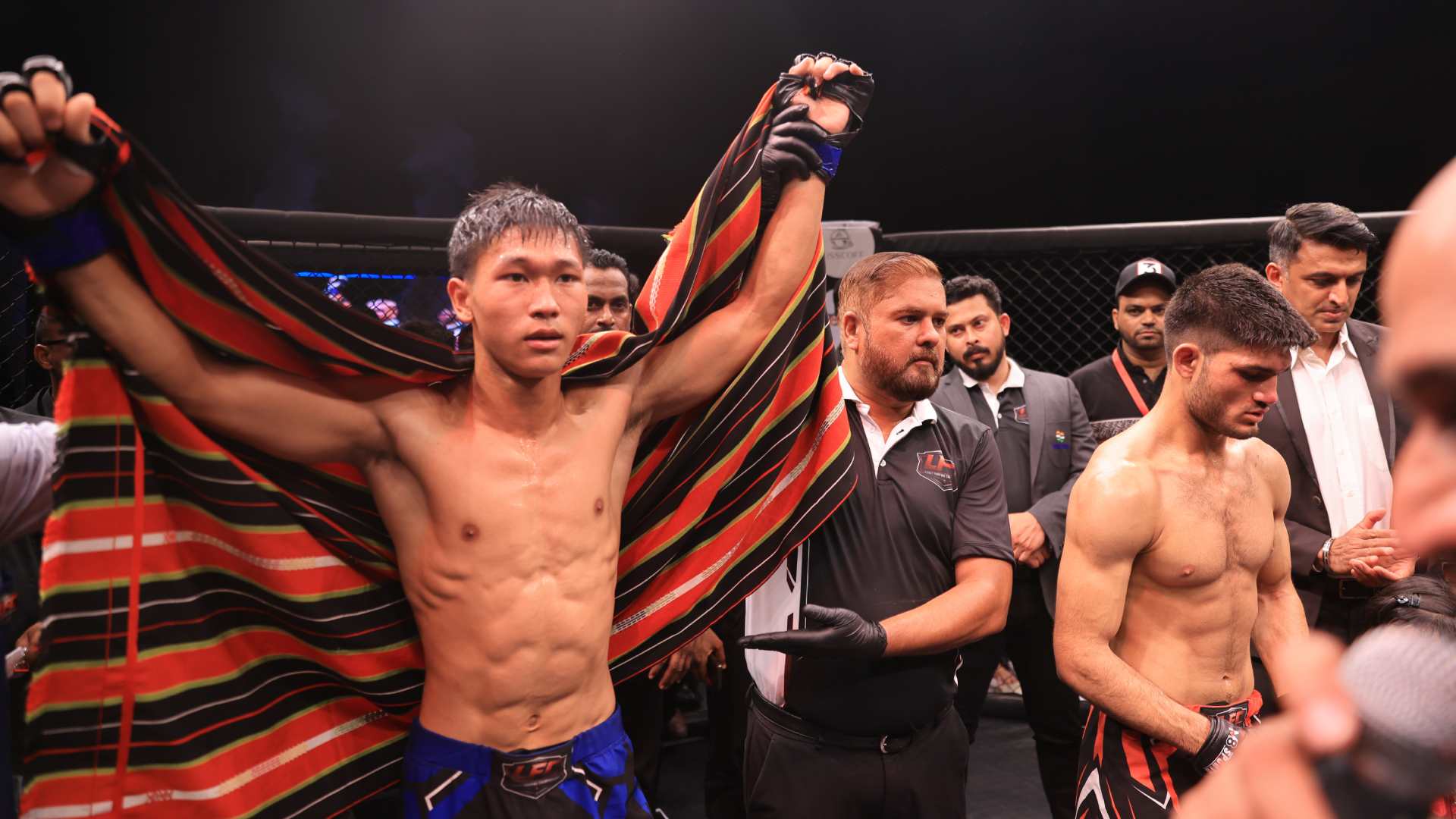
Chungreng Koren (7-2-0) represents this evolution clearly. His rise has nothing to do with borrowed theatrics. His appeal comes from an unfiltered representation of Manipur. He carries the pride of an entire region, and that shared identity creates a loyal and motivated community behind him. Such organic support is exactly what global matchmakers notice, because it cannot be manufactured.
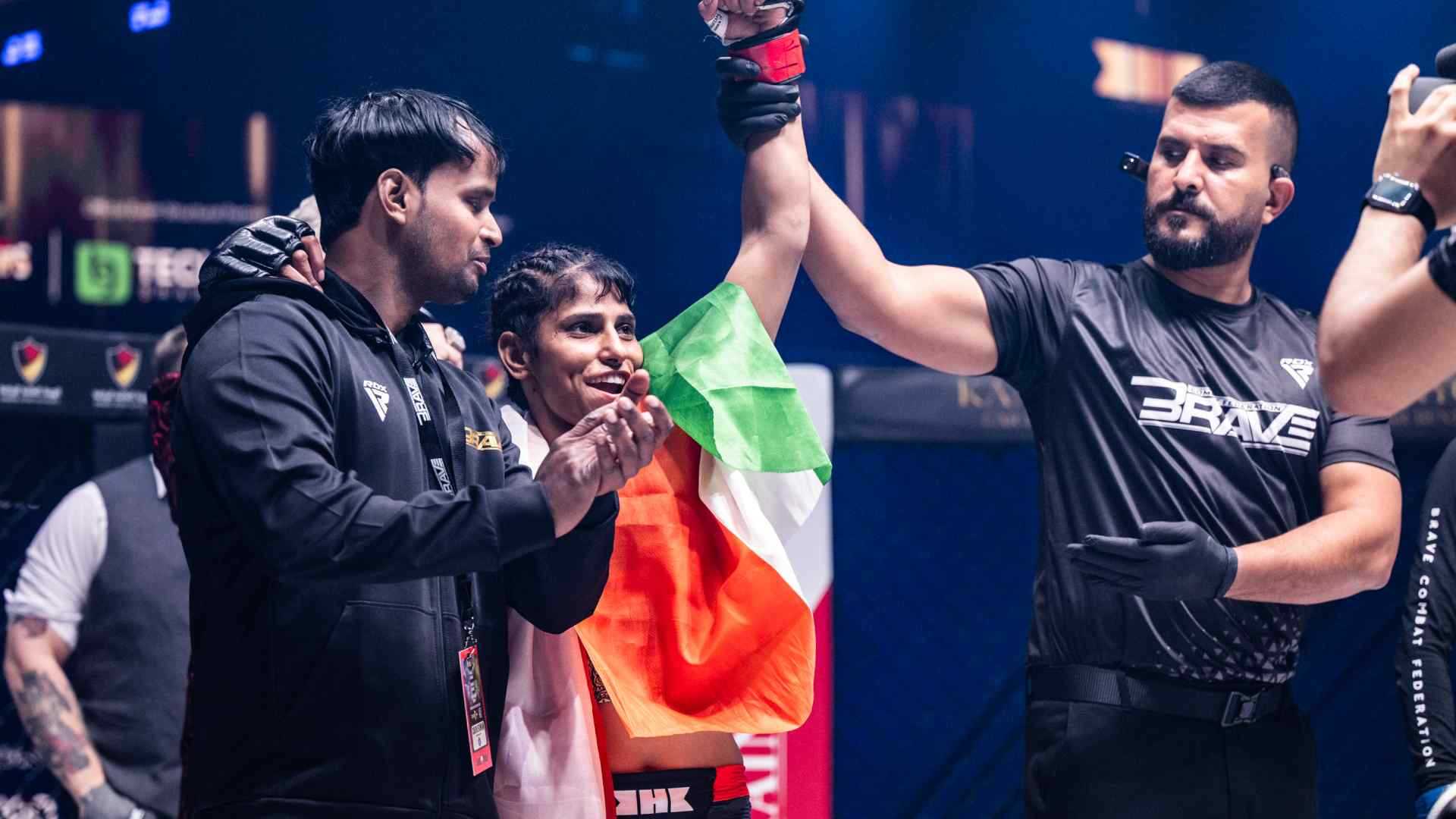
Owais Yaqoob (4-1-0) who competes in BRAVE Combat Federation has a similar impact. His journey reflects the aspirations and struggles of the Kashmiri demographic he comes from. Everything about his persona is genuine. Because his identity is sincere, the support he attracts is equally sincere alongside securing lucrative sponsorship deals that supports his aspirations.
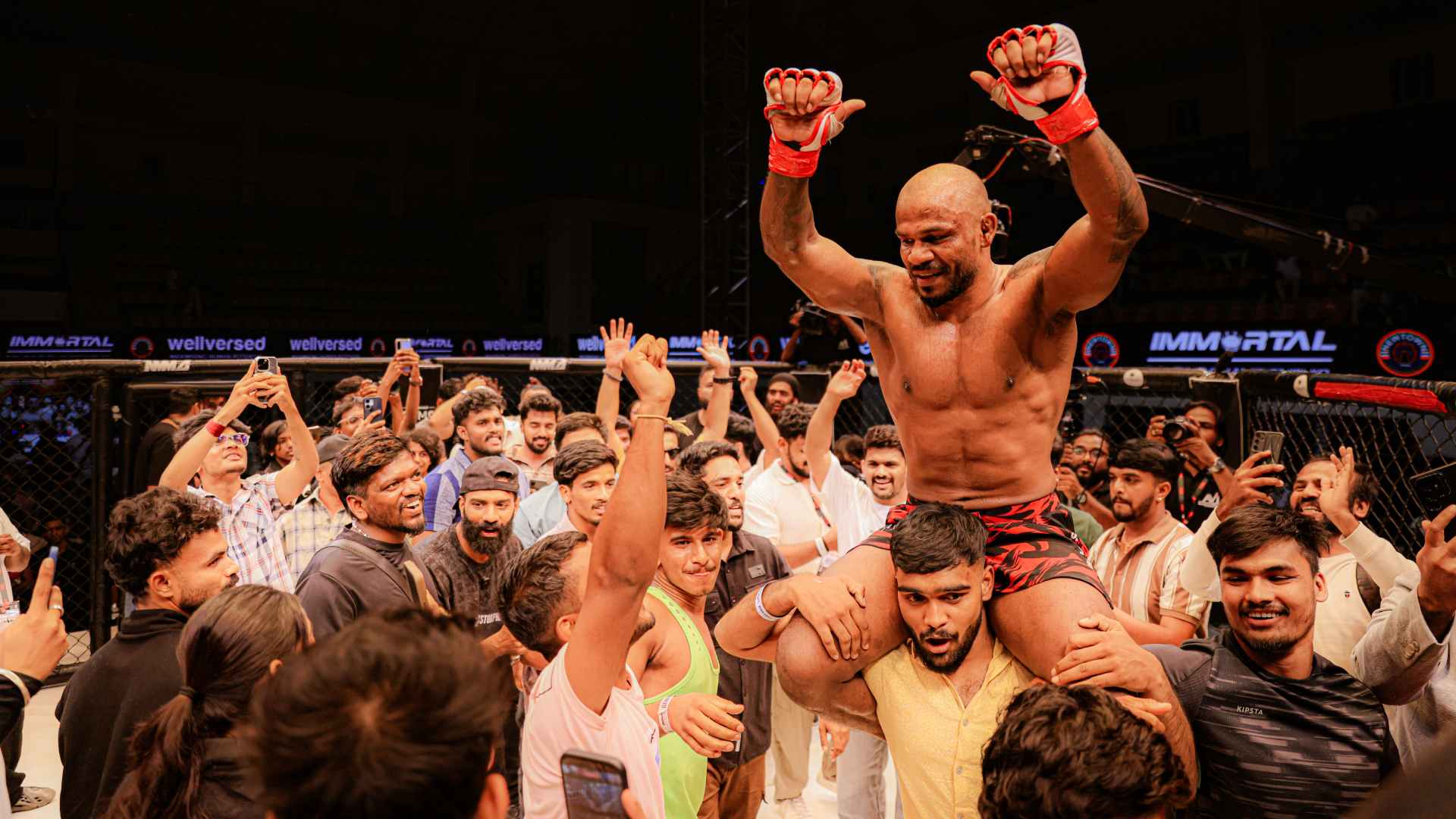
IMMAF gold medalist Mehboob Khan has become one of the most inspiring figures in Indian combat sports. Rising from life as a Hyderabad taxi driver to becoming one of the top amateur fighters in the world, he demonstrates that world-class potential exists everywhere in India when structure, opportunity, and global exposure meet.
On the women’s side, athletes such as Aarti Khatri and Suchitra Thariyal have redefined how Indian women in MMA can build influence. They do not adopt Western attitudes or mimic external personas. They embody a rooted Indian warrior ethos built on the legacy of figures such as Rani Lakshmibai, Chhatrapati Shivaji Maharaj, and the cultural memory of Indian valor. Their discipline, confidence, and cultural grounding mirror the broader rise of Indian women succeeding in cricket, football, wrestling, and Olympic sports. Their visibility is already pulling audiences beyond traditional MMA fans, which is exactly how mainstream popularity begins.
A culturally anchored fanbase is an advantage, not a limitation. Global promotions look for fighters with built-in audiences. A fighter who enters the cage already supported by an organic, regionally connected movement is more valuable than a technically flawless athlete with no emotional following. For global talent scouts, this provides a unique proposition with a fighter backed by a stronger narrative and supported by an authentic fanbase that transcends mixed martial arts community.
A breakthrough Indian MMA star cannot come solely from the existing domestic MMA bubble. Their fanbase must expand beyond hardcore followers into families, students, regional communities, cinema fans, gamers, and the general public. This is how national icons are created. This is how Ireland built a worldwide movement around Conor McGregor long before he won a UFC belt. It was not only his fighting style. It was cultural resonance.
The global audience does not fall in love with fighters solely because they win. It connects because it understands their journey, struggle, identity, and aspirations. The path is to develop fighters through real competition, shape them through long-term amateur experience, root them in authentic identity, support them through strong management, attract sponsors by connecting with regional demographics, and elevate them through powerful storytelling. Once the Indian MMA ecosystem embraces this collective shift, the sport will no longer wait for a breakout Indian superstar. It will create one.
About Guest Author: Hari Bhagirath
Hari Bhagirath is one of the key architects behind the global rise of BRAVE Combat Federation. As one of the organization’s founding members and its first Chief Creative Officer, he became the first Indian to hold a CXO position at BRAVE CF, shaping its brand identity during its formative years and working alongside the regional promotions and endeavors of IMMAF in Bahrain. Beyond his executive role, he has been a prominent voice in international MMA media.
He has covered global combat sports for leading platforms, including Sportskeeda, The Fan Garage, FightBook MMA, MixedMartialArts.com, Arabs MMA, and several other outlets, earning recognition for his analytical depth and global perspective. Today, he continues to serve BRAVE Combat Federation as a consultant while actively pursuing his interests in technology and entrepreneurship, contributing to the intersection of sports innovation, branding, and digital development.

Leave a comment
Please login to leave a comment.